Smart Material Decisions That Reduce Damage, Repairs, and Cost Over Time
Choosing the right materials affects how long your walls stay smooth and strong. Many wall failures start with poor material choices. Moisture, impact, and daily wear often expose weak points fast. When you plan ahead, you avoid cracks, sagging, and stains later. This topic matters for homes and work spaces alike. By understanding board types, thickness, and support materials, you protect your investment. You also reduce future repair needs. Clear choices at the start lead to steady performance for years.
Why Material Quality Matters With Wall Performance
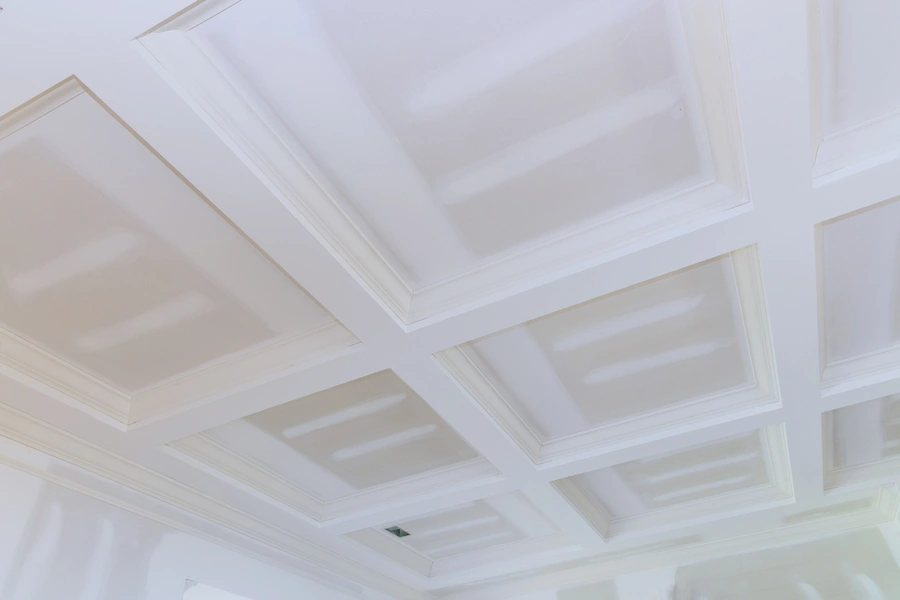
Material quality sets the base for strong walls. Thin boards bend under stress. Low-grade paper faces tear easily. Projects tied to drywall services often fail early due to rushed material picks. Better boards resist dents and hold screws well. They also handle paint and skim coats better. This reduces patch work later. When you choose well, walls stay flat and clean longer.
Key Benefits of Proper Board Selection With Durability Goals
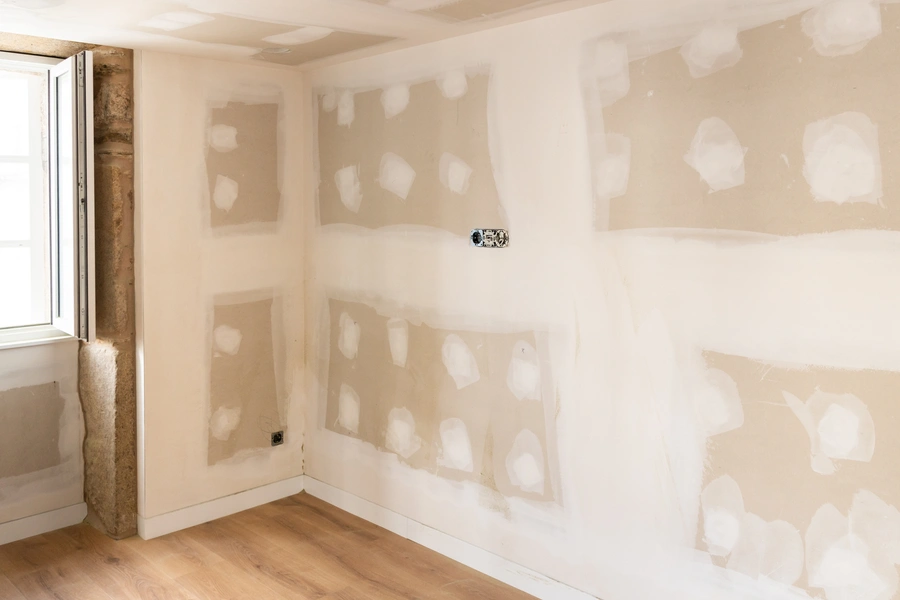
Choosing the right board brings clear benefits. Many drywall services focus on speed, not long-term value. Durable boards resist common damage from doors and furniture. Moisture-rated options stop mold growth in wet rooms. Fire-rated boards slow flame spread. Each option matches a real need. When benefits match usage, walls last longer with fewer issues.
- Stronger core resists dents and cracks
- Moisture control in baths and kitchens
- Better fire resistance for safety
- Smoother finish for paint and texture
Common Problems Caused by Incorrect Materials
Wrong choices create repeat problems. Regular boards fail fast in damp spaces. Thin panels sag between studs. Nails pop when cores crumble. Poor paper faces blister under paint. These issues lead to frequent fixes and higher cost. Many people blame labor, but materials often cause the trouble. Knowing these problems helps you avoid them early.
How to Match Materials to Each Room
Each space needs a matching board. Living areas need standard strength. Garages need fire-rated panels. Bathrooms need moisture resistance. Use this simple process before buying:
- Check moisture and humidity levels
- Review fire code needs
- Measure stud spacing and load
- Select board thickness and type
Best Practices for Long-Term Wall Stability
Experts follow proven steps. They focus on both materials and setup. These habits reduce movement and cracks over time:
- Use thicker boards on wide stud gaps
- Pick mold-resistant panels in wet areas
- Store boards flat before install
- Use proper fasteners and spacing
Industry Standards and Code Requirements With Compliance
Building codes guide material use. Fire-rated walls need specific panels and layers. Garages often require rated boards between spaces. Some regions require mold control boards in baths. Following standards protects safety and resale value. Always check local rules before buying. Compliance avoids costly rework later.
Cost Factors and Long-Term Value Considerations
Better materials cost more upfront. They reduce future repair costs. Thicker boards last longer. Moisture control prevents mold damage. Fire-rated options add safety value. Compare short-term price with long-term savings. Spending a bit more now often saves money later.
Final Steps for Professional Support With Smart Choices
Located in Dundalk, MD, we help clients select materials that fit each space and budget. TM Global LLC focuses on durable wall solutions that reduce future repairs. Our crews guide decisions from start to finish with clear advice. Call (443) 381-7562 to discuss material options and planning with our team.